Five pigs produce 25-30 kg of manure daily, and composted that waste sells at ₱200-500 per 50 kg sack — or processed through vermicomposting it earns ₱7,500-12,500 per month for a 10-pig operation. The smell, flies, and runoff are real complaints, but the same manure becomes fertilizer, vermicompost, or biogas with growing Philippine markets.
"Kita pa gikan sa hugaw." (You can still earn from the waste.)
The FAO's livestock environmental assessment flags manure as one of the biggest smallholder sustainability problems, while organic fertilizer demand here grows 10–15% annually as vegetable farms shift away from urea.
How Much Manure Are You Dealing With?
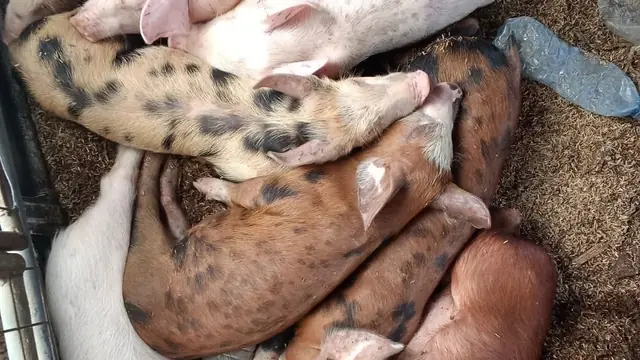
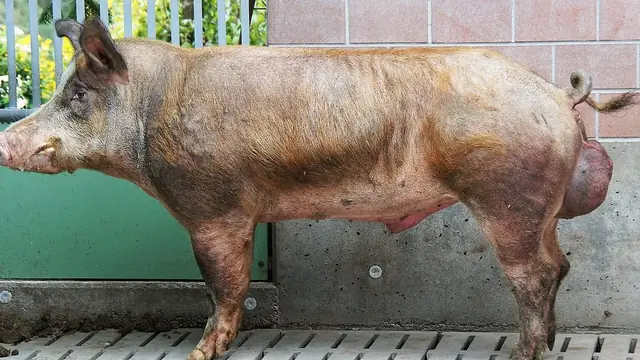
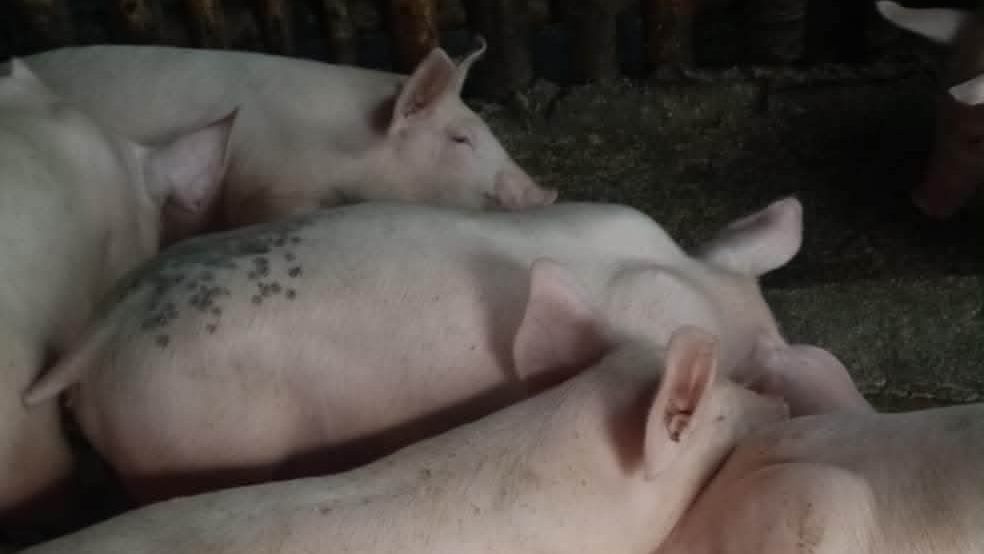
A single finishing pig (80–100 kg) produces roughly 5–6 kg of manure per day. Five pigs produce 25–30 kg daily, about 750–900 kg per month. That is a lot of waste that needs to go somewhere.
Under RA 9275 (Philippine Clean Water Act), discharging untreated animal waste into waterways is illegal and carries fines of ₱10,000–200,000 per day. Even for backyard farms, managing your waste properly is not optional.
"Dili ilabay sa sapa." (Do not throw it in the creek.)
Option 1: Composting (Simplest)
Basic composting converts raw manure into stable organic fertilizer in 45–60 days. Not much investment needed. Penn State Extension's composting resources cover carbon-to-nitrogen ratios and pile management that apply even in tropical conditions.
How to do it:
- Mix manure with dry material (rice hull, dried leaves, or sawdust) at roughly a 1:1 ratio. Carbon-to-nitrogen target is around 25:1 to 30:1.
- Pile the mix in a shaded area, at least 1 meter high. Smaller piles do not heat up properly and stay smelly.
- Turn the pile every 3–5 days for aeration. This prevents it from going anaerobic and smelly. A pitchfork and 20 minutes is all it takes.
- Keep it moist using the "squeeze test": grab a handful and it should hold its shape but not drip water. Add water in dry season, cover with tarp during heavy rain.
- After 45–60 days the compost should be dark, crumbly, earthy-smelling, and cool to the touch. If it still smells like manure or feels hot inside, give it another 2 weeks.
Output: Finished compost can be used on vegetable gardens, fruit trees, or rice paddies. Bagged compost sells for approximately ₱200–500 per 50 kg bag in local markets.
"Himoon og abono ang tae, dili lang basura, kita pa." (Turn the manure into fertilizer, it is not just waste, it is income.)
Option 2: Vermicomposting (Higher Value)
Vermicomposting uses earthworms (African Nightcrawlers, Eudrilus eugeniae) to process manure into premium vermicompost and vermi-liquid fertilizer.
Startup investment: ₱5,000–15,000 for vermi beds and starter worms. Payback period: 2–3 months.
Process:
- Pre-compost the manure for 2–3 weeks first (fresh manure is too hot for worms)
- Spread pre-composted manure in shallow beds (15–20 cm deep)
- Add worms (0.5–1 kg per sq.m of bed surface)
- Keep beds moist and shaded
- Harvest castings every 2–3 months
Output: Vermicompost sells at a premium, ₱15–25/kg bulk, up to ₱30–50/kg retail/packed. Vermi-liquid fertilizer sells for ₱100–200 per liter. The worms themselves multiply and sell at ₱500–1,000 per kilogram.
For a 10-pig operation producing about 1.8 metric tons of manure monthly, vermicomposting can generate ₱7,500–12,500 per month, enough to offset 40–60% of your feed costs.
Check that offset against a real feed number rather than a remembered one. The dated listing we keep for premium grower/finisher feed is one retailer on one day and labelled as such, because nobody in this country publishes a national finished-feed price. And the reason the compost money matters at all right now is the other side of the ledger: PSA's backyard farmgate series has been running at or under what a kilo of liveweight costs to produce, so ₱7,500 a month off the worm beds is not a bonus sitting on top of your margin. Some months it is the margin.
Option 3: Biogas (Save on LPG)
A biogas digester converts manure into methane gas (for cooking) and liquid bio-slurry (fertilizer).
Investment: ₱15,000–30,000 for a simple plastic tubular digester; ₱30,000–80,000 for a fixed-dome design that lasts 15–25 years.
Five to ten pigs produce enough biogas for 3–5 hours of cooking daily, replacing ₱500–1,000 worth of LPG per month.
The DA and DOST have subsidy programs for small-scale biogas digesters. The DOST SETUP program provides technology packages of up to ₱3 million (60% grant) for qualifying small livestock farms. Contact your DOST Provincial or Regional Office.
Which Option Is Right for You?
| Option | Best If | Investment | Monthly Return |
|---|---|---|---|
| Composting | You have garden/farm land | ₱2,000–5,000 | ₱500–2,000 (fertilizer value) |
| Vermicomposting | You want maximum income from waste | ₱5,000–15,000 | ₱7,500–12,500 |
| Biogas | You cook with LPG daily | ₱15,000–80,000 | ₱500–1,000 (LPG savings) |
| Direct field application | You grow crops nearby | Free | ₱2,000–3,000 (replaces commercial fertilizer) |
Free Tool
Pig Profit Simulator
Manure income shifts a marginal piggery into the black. Add an offset to your model based on the monthly returns above and see how the batch P&L changes.
Where to Sell Your Compost and Vermicompost
The hardest part is not making the compost, it is finding consistent buyers. Here is what actually works for Philippine backyard producers.
| Buyer channel | Typical price | Volume needed | Notes |
|---|---|---|---|
| Local vegetable farmers (direct) | ₱200–400/sack | Any quantity | Best margin, but you handle delivery |
| Garden supply / agri-vet stores | ₱300–500/sack wholesale | 50+ sacks/month | Stable demand, lower margin |
| Organic-certified vegetable farms | ₱400–600/sack | 20+ sacks/month | Premium price; needs lab test for E. coli |
| Online marketplaces (Facebook, Shopee) | ₱30–50/kg packed | Small bags 5–10 kg | Best for vermicompost, requires good photos |
| DA-ATI organic agriculture program | Buy-back contracts | Varies | Apply through Provincial Ag Office |
For vermicompost specifically, the premium retail price (₱30–50/kg) is reliable through Facebook groups like "Organic Gardening Philippines" and "Vermicomposting Pinoy." Most buyers want 5 kg or 10 kg bags, not 50 kg sacks, package smaller for higher per-kg margin.
Vermi-liquid fertilizer (₱100–200/L) sells best to ornamental plant growers and hydroponic hobbyists, especially after the pandemic-era plant boom drove demand up and never fully retreated.
A Practical Vermicomposting Setup
For a 10-pig operation, here is what actually works:
- 3 concrete or wood vermi beds, each 1m x 2m x 0.4m deep, shaded by a simple GI roof. Cost: ₱4,000–8,000 in materials.
- Starter worms: 5–10 kg of African Nightcrawlers at ₱500–1,000/kg. Buy from accredited multipliers (DA-ATI publishes a list per region) to avoid getting common red wigglers sold at premium prices.
- Pre-composting area: A small shaded pile next to the beds where fresh manure sits for 2–3 weeks before going to the worms. Fresh manure heats up to 60°C+ during initial decomposition and will kill the worms.
- Harvest schedule: Castings every 8–10 weeks per bed. Rotate bed feedings so you have continuous output.
- Output expectation: A 3-bed setup processes 200–300 kg of manure monthly and produces 100–150 kg of finished vermicompost plus 30–50 L of vermi-liquid.
For more on the broader profit picture including manure income, see pig farming profit on 10 pigs.
Common Mistakes
- Dumping raw manure directly on crops. Burns plants and spreads parasites (Ascaris and Trichuris eggs survive in soil for months). Always compost first, minimum 45 days.
- Letting manure pile up in the pen. Creates ammonia above 25 ppm, attracts flies, and causes respiratory disease in pigs. Clean pens daily, even if you have nowhere to compost yet.
- Ignoring the opportunity. Most farmers treat manure as a disposal problem instead of an income stream. A 10-pig operation can earn ₱7,500-12,500/month from vermicompost alone.
- Draining waste into waterways. Illegal under RA 9275 with ₱10K-200K daily fines. Build a settling tank at minimum, two-chamber concrete pit with a removable grille over the inlet.
- Selling unaged compost. Compost that still smells like manure has not finished. Buyers (especially organic-certified vegetable farms) reject batches that test high for E. coli or ammonia. Always finish the full 45-60 day cycle.
Bisaya / Cebuano
Para sa mga mag-uuma: Unsaon paggamit ang tae sa baboy
Composting (pinakasimple):
- Sagola ang tae sa baboy ug uga nga rice hull o dahon (1:1)
- Balika ang tapok kada 3–5 ka adlaw
- 45–60 ka adlaw = andam na nga abono
- Ibaligya sa ₱200–500 per sako
Vermicompost (pinakadaghan og kita):
- Gamita og African Nightcrawler worms
- ₱5,000–15,000 ang puhunan, mobalik sa 2–3 ka bulan
- ₱7,500–12,500 kada bulan gikan sa 10 ka baboy
Biogas (tipid sa LPG):
- ₱15,000–30,000 ang digester
- 3–5 oras nga gaas para sa pagluto kada adlaw
"Ang hugaw sa baboy, kwarta kung maayo ang pagdumala." (Pig waste is money if managed right.)
Learn More
- Pig farming profit: 10 pigs, manure income in your profit calculation
- How to build a backyard piggery, waste management design
- Can you raise pigs in a small backyard?, waste management requirements
Sources: PCAARRD Biogas Technology, DENR RA 9275 (Clean Water Act), DA-BAI Integrated Waste Management, DOST SETUP Program, DA-ATI Vermicomposting, Penn State Extension Composting, FAO Livestock Environment (accessed May 2026).