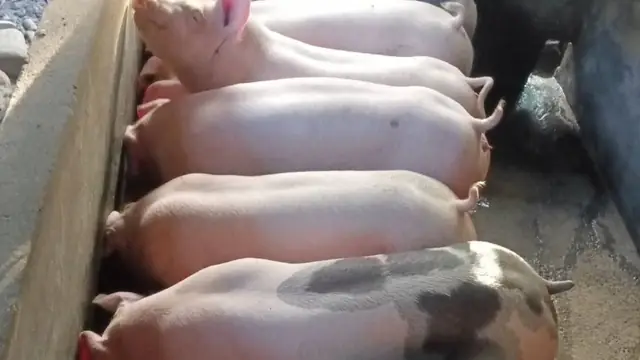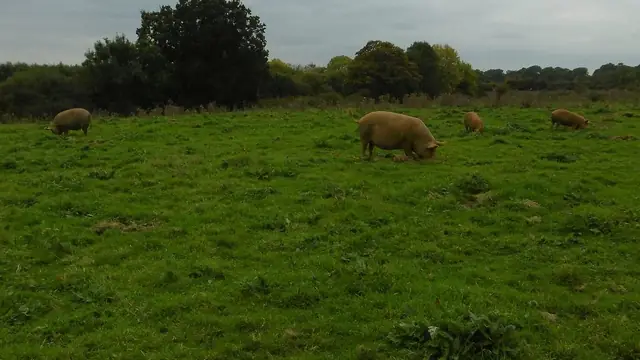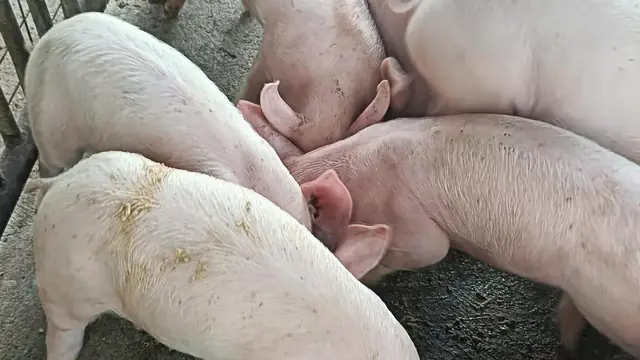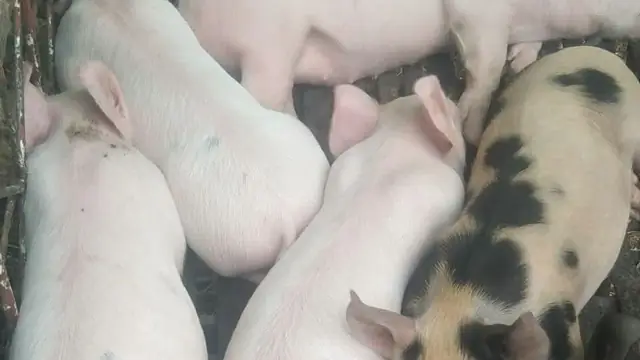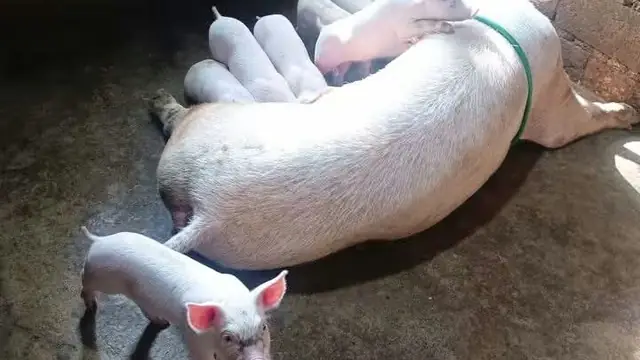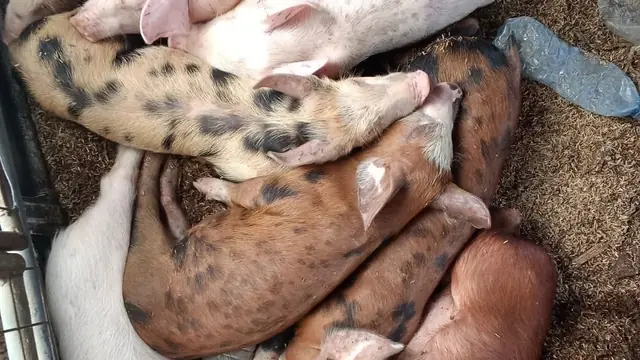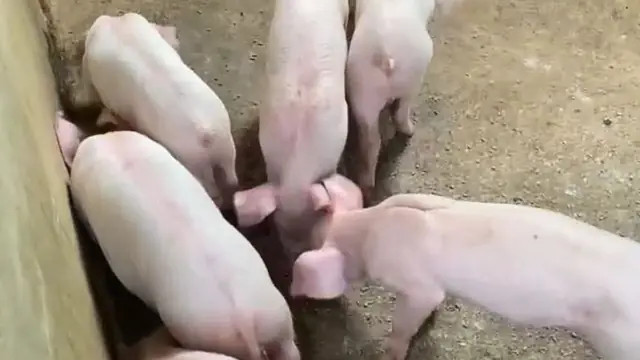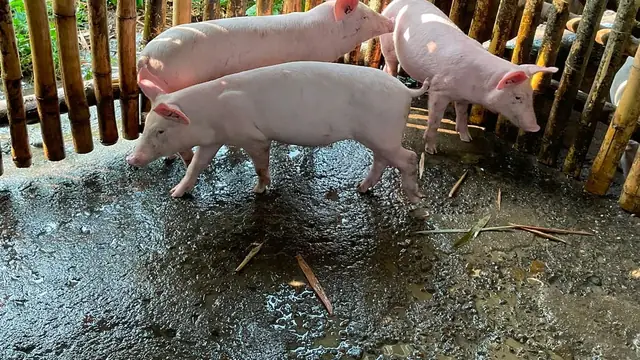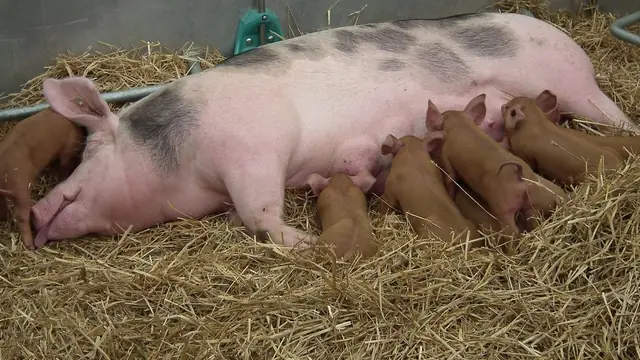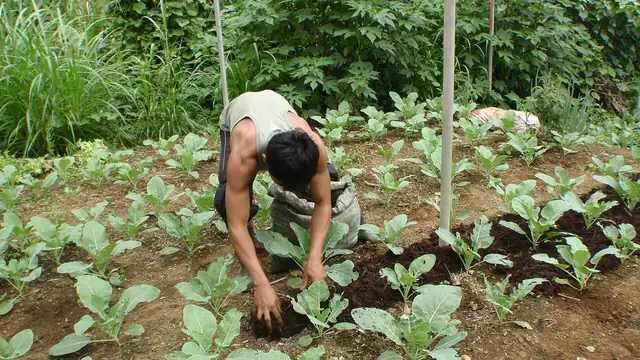
Kita Gikan sa Hugaw: How to Turn Pig Manure Into Fertilizer and Income
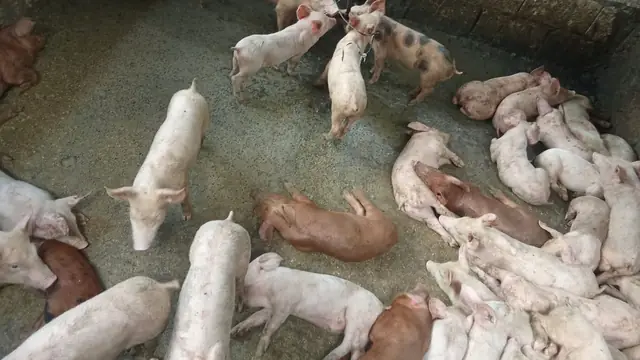
Five pigs produce 25-30 kg of manure daily. Composted properly, that waste becomes organic fertilizer worth real money, or biogas that replaces your LPG.
88 field-tested guides
Feed economics, breed math, ASF-era biosecurity, and the cost lines that quietly decide whether a backyard piggery pays for itself or eats your savings.
Five pigs produce 25-30 kg of manure daily. Composted properly, that waste becomes organic fertilizer worth real money, or biogas that replaces your LPG.
June to November in the Philippines means flooding, mud, respiratory disease spikes, moldy feed, and parasite surges in piggeries. Most of these problems are preventable with preparation done in April-May. Here is your complete rainy season survival guide with a pre-season checklist.
The floor of your pig pen affects drainage, pig health, and your daily workload. Concrete with a 3% slope is the most practical choice for most Philippine backyard farms.
Most "magkano puhunan" guides give you one number. From abroad the bigger question is how you release it. Here is the full 2026 budget in ₱ and $, and the tranche schedule that stops your capital from evaporating.
Paiwi works on trust, which is exactly why it fails from abroad. Here are the terms to write down, the split that is actually fair, and the four ways the money disappears when nobody is watching.
Everyone tells the OFW contract growing is "safer." Safer for someone who lives on the farm. From abroad the risk you carry is the person running it, and the per-head fee does nothing about that.
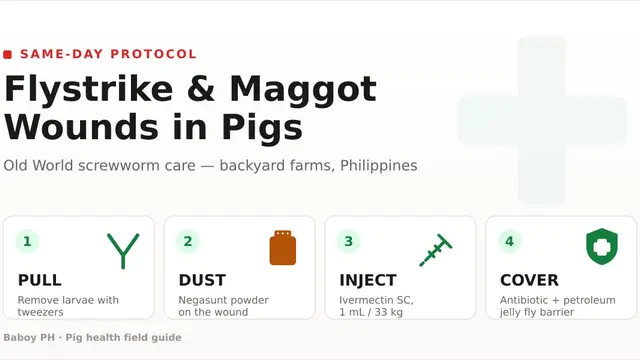
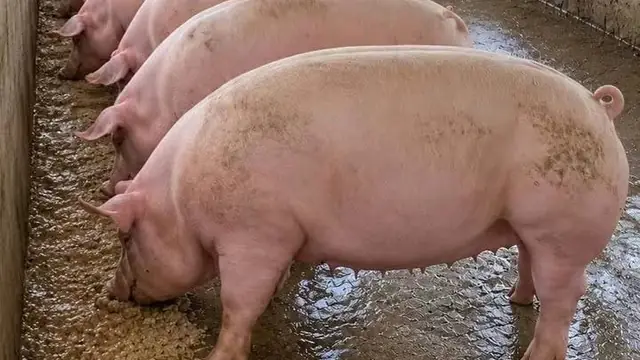
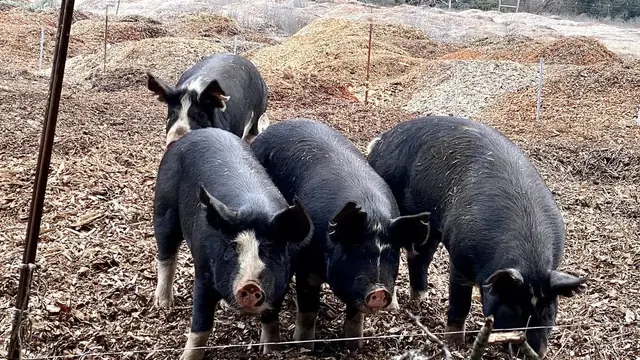
Most backyard pig farms fail not because the farmer lacks skill, but because there was no plan. A simple business plan forces you to face the real numbers before you spend your first peso.
Many backyard pig farmers operate without permits, until a neighbor complains or the LGU cracks down. Here is what you actually need: barangay clearance, MAO registration, environmental compliance, and the distance rules that vary wildly between rural and urban LGUs.
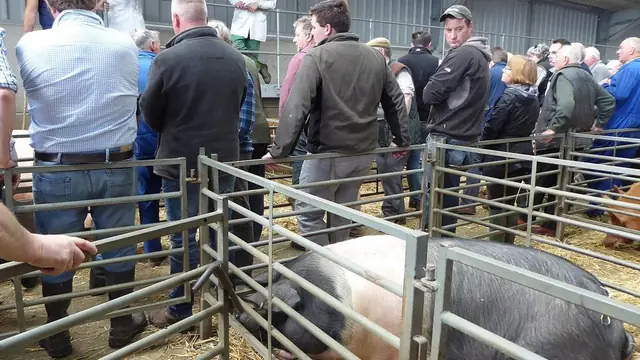
Raising the pig is half the job. Selling it at the right price, to the right buyer, at the right time is where you actually make or lose money. Here is how small Filipino farmers can maximize sale value.
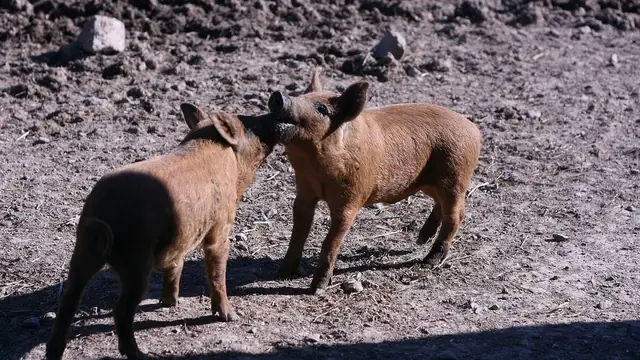
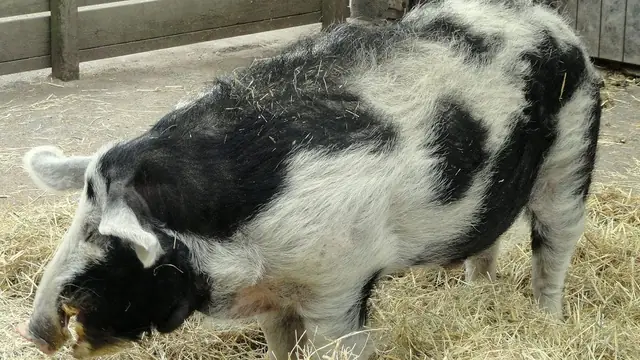
Most backyard pigs do well on 2 feeds per day, morning and late afternoon. But weaners need 3-4, and lactating sows should eat as much as they want.
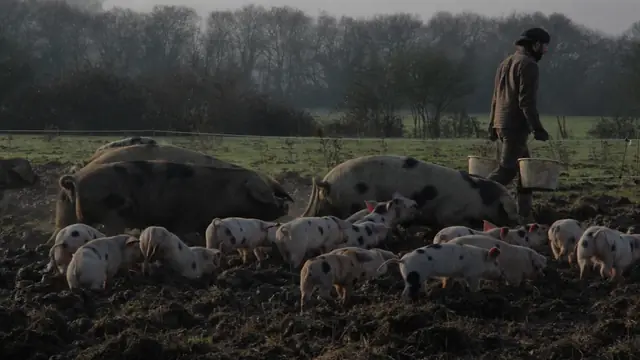
The last 30 days before selling is when you maximize weight gain. Add coconut oil, increase energy feeds, and time your sale for peak market demand.
"Is a piggery a good investment" gets a yes from everyone selling you one. Here is the honest answer at the ₱185/kg farmgate that actually prevailed in mid-2026, compared head-to-head against the four things OFW money usually goes into instead.
Not every farmer should scale up. Here is an honest breakdown of what it costs, what you earn, and what breaks even at 5, 20, and 50 heads in Philippine pig farming.
At minimum, every pig needs hog cholera vaccination at 6-8 weeks with a booster at 10-12 weeks. Many municipalities provide this free. Here is the complete schedule.
A pig dresses out at about 72–78% of liveweight. A 100 kg pig yields roughly 72–78 kg carcass, so a ₱185/kg liveweight price is not a ₱185/kg dressed price. Here is the math and how to protect yourself at the sale.