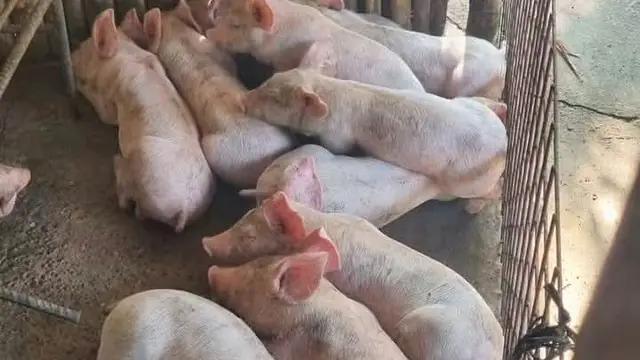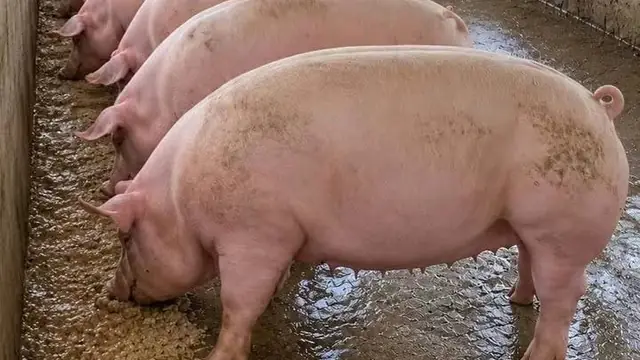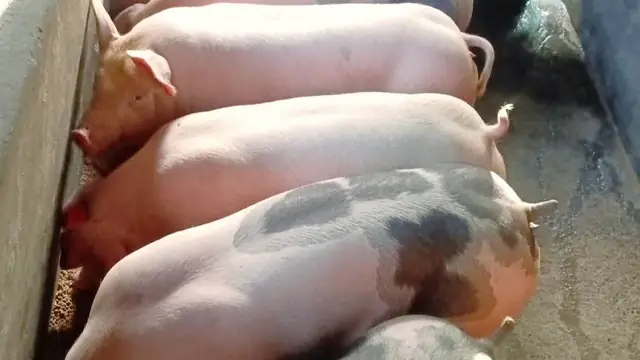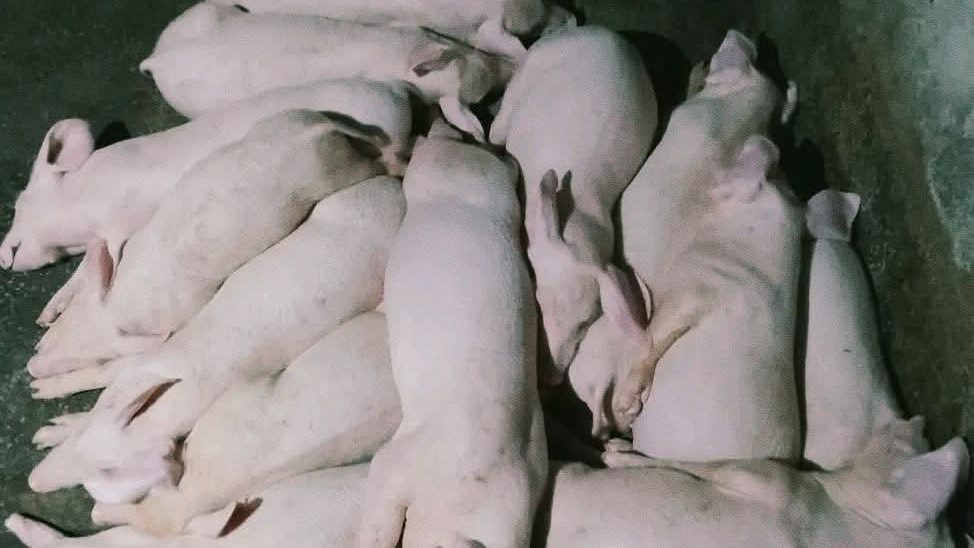
The DA SAAD program hands out free pigs, but not to walk-in individuals. Under Phase 2, which runs FY 2023 to 2028, the swine component goes to organized farmer associations in covered municipalities. One documented CAR group turned 18 SAAD piglets into about ₱399,040 gross income by April 2026. Most groups do not get there.
This guide is for the association officer or member who wants to turn a SAAD swine project into a working piggery, and for anyone deciding whether SAAD is worth the organizing effort versus DSWD SLP or a small ACPC loan.
A note before anything else: the program changes by fiscal year and region. Every figure here is tied to a specific DA-SAAD release and year in the Sources section. Confirm current coverage and package contents with your DA Regional Field Office before you plan around them.
What SAAD actually is
The Special Area for Agricultural Development program is a locally-funded Department of Agriculture initiative aimed at reducing poverty among marginalized farmers and fisherfolk. Phase 1 ran 2017 to 2022 across 440 municipalities and 27 cities in 11 regions, reaching about 143,520 individual beneficiaries and 6,319 farmer or fisher cooperatives, per the SAAD program overview.
Phase 2 runs FY 2023 to 2028. It expands coverage to roughly 56 provinces and around 619 municipalities, focused on 5th to 6th income class areas among the most poverty-stricken communities, selected using PSA Small Area Estimates. One important change from the old framing: BARMM is excluded under Phase 2. If a guide tells you SAAD is mainly a BARMM and Caraga program with a fixed 30-province list, it is describing the old Phase 1 picture, not what is running now.
The swine component sits inside the livelihood and food-production track, alongside crops, high-value vegetables, fisheries and other livestock. Phase 2 explicitly shifts the goal from food security toward turning beneficiaries into agri-entrepreneurs, which is why the swine projects are built around associations and reinvestment, not one-off handouts.
Worth separating from SAAD: the DA Swine Industry Recovery Project, a ₱1.25-billion scheme announced January 2025 that clusters 20 members per group, with 5 piglets, 20 bags of feed and biologics each. That is a different program targeted at ASF-affected areas. People conflate the two constantly. SAAD is the poverty-reduction livelihood program; the recovery project is restocking.
What a SAAD swine project contains
There is no single fixed individual package. SAAD Phase 2 funds a swine project for a whole association, then the association distributes and rotates animals among members. The clearest documented example is SAAD CAR's 2025 support to three farmer associations in Abra.
| Component (per association, SAAD CAR Abra, 2025) | Quantity |
|---|---|
| Piglets (initial delivery, Feb 2025) | 6 head |
| Pig starter feed | 8 sacks (50 kg each) |
| Housing unit | 1 (constructed) |
| Follow-on grower, gestating, lactating feeds | scheduled 2025 delivery |
| Dewormers and vitamins | included |
| Farmers Livestock School training (swine) | completed 2024 |
Total support for the three associations, including training, was ₱2,397,360, roughly ₱799,000 worth per association. Other regions scale differently. In Quezon (CALABARZON), the Sabang-Quezon Farmers' Association swine-and-vegetable project was valued at ₱760,437 and centered on boars and gilts as breeding stock plus biologics. The Saray association in CALABARZON had ₱816,000 allocated for FY2025 for a combined swine and high-value crop project.
The piglets are typically crossbreed weaners from regional government stations or DA-accredited cooperators. They are not show stock, but they are vaccinated, dewormed and old enough to survive transport. What they are worth at the other end is the number an association should agree on before the animals arrive, and it is published: PSA's backyard farmgate series prices exactly this kind of pen, and the province-level version shows what your own area has been paid rather than a national average nobody receives.
The detail most members miss: SAAD swine projects come with a pay-it-forward rule. In the Sabang-Quezon project, the first six farmers to receive swine return ten piglets to the association so the next members can be served. The animal is not a personal gift. It is a turn in a rotation the group has to keep alive.
How an association actually gets a SAAD swine project
You do not apply to SAAD as an individual the way you would apply to a loan. It works through the group and the local agriculture office.
Filter 1, geography. Your municipality has to be inside SAAD Phase 2 coverage. If it is not, this specific program is closed to you. No exceptions, and BARMM is out under Phase 2.
Filter 2, an organized association. SAAD works through registered farmer associations. In the Saray case, SAAD itself helped the group register with DOLE in October 2024, then ran a participatory rural appraisal to identify swine as the intervention. Loose, unregistered groups do not get funded.
Filter 3, commodity match and social preparation. Even an organized association has to match the year's commodity allocation for the municipality and pass through social preparation, profiling and training before animals are released.
Practical path:
- Go to your Municipal Agriculture Office (MAO). Ask whether SAAD Phase 2 is active in your municipality for the current fiscal year and which commodity is allocated.
- Ask which farmer association is the SAAD partner, or whether a new one can be organized. SAAD field staff do help groups register.
- Join or help form that association. Membership in a registered, recognized group is the entry point, not an individual form.
- Tell the MAO and the DA Regional Field Office your group wants a swine project specifically.
- Cooperate fully with the participatory appraisal, profiling, and the Farmers Livestock School training. Animals come after training, not before.
- Wait through procurement and budget release.
The waiting is real. In the CALABARZON case the gap from first engagement in 2024 to FY2025 budget allocation and training in April 2025 ran the better part of a year. Social preparation, profiling, training, procurement and budget release together commonly run 6 to 14 months.
What associations get wrong
This is where most write-ups stop. They explain the application and skip what happens after the truck leaves. Here is the pattern that separates the Lap-lapog-style success from the groups that stall.
Mistake 1, no follow-on feed budget. A SAAD project front-loads starter feed. The Abra example gave 8 sacks of starter per association, with grower and other feeds scheduled later, but feed support does not run forever and it gets thin once you are growing out a full rotation. A pig from 15 kg to 90 kg market weight eats roughly 8 to 10 sacks of grower-to-finisher. Premium grower-finisher was ₱1,750 to ₱1,910 per 50-kg sack as of July 2026, about ₱35 to ₱38 per kilo, and feed has crept up ₱1 to ₱2 per kilo through the year with no rollback announced. That is ₱14,000 to ₱19,100 of feed per pig after the supported feed is gone. Groups that did not plan for this feed less, the pigs stay underweight and take 9 to 12 months instead of 6, or they switch to scraps and growth stalls.
The fix is a group feed fund before the animals arrive. Either pool a monthly feed contribution per growing pig, or build an alternative feeding system using copra meal, rice bran, banana stalk and azolla before the pigs come in. Not after. Size the fund against the low end of the published price, not the hopeful one. The quarterly farmgate means went ₱209.83, then down every quarter to ₱172.44 in Q2 2026, and an association that budgeted feed off the first figure would have been short by the third. Run the per-pig math on the profit simulator so the association sees the real number, not a guess.
Mistake 2, dirt-floor pen with no biosec. A SAAD housing unit is a head start, but members who add their own pens often build a bamboo box on bare dirt with no roof slope, no manure drain and no buffer fence. Pigs on dirt with no biosecurity are sitting ducks for African swine fever, classical swine fever and parasites. In an ASF-active barangay that means dead animals before market.
The fix is a concrete or compacted-earth floor with a 2 percent slope to a manure trench, a roofed pen with a monitor vent, a foot dip at the entrance and a 2-metre buffer fence with chicken wire. The backyard piggery build guide has the dimensions. SAAD inspection may pass a looser pen. Build the better one anyway.
Mistake 3, treating the pay-it-forward rule as optional. Members who sell their first pigs and pocket everything, skipping the piglet return, break the rotation for the next members and kill the project. The Lap-lapog FCA did the opposite. They reinvested, bought a gilt and more piglets out of proceeds, and turned 18 SAAD piglets and 23 pigs sold into roughly ₱399,040 gross income by April 2026. The discipline, not the free animal, is what made it work.
The fix is to honor the return obligation and set aside a fixed share of every sale as the association's working capital for the next batch. SAAD is structured as a starter and a rotation, not a one-time windfall.
Bisaya / Cebuano
Ang SAAD dili para sa individual nga mag-apply. Association-based ni. Kinahanglan miyembro ka sa registered nga grupo nga giila sa MAO ug sa DA Regional Office. Daghan ang nakadawat og piglets pero pila ra ang ni-success kay walay paigo nga pakaon nga budget human mahurot ang gihatag nga feeds. Una mo dawaton ang baboy, kinahanglan naa moy grupo nga budget para sa unom ka buwan nga feed, dili lang sa unang bulan. Ug ang pay-it-forward nga rule, kana ang i-return nimo nga piglets sa association, dili pwede laktawan. Kanang dirt floor nga pen, dili na pwede sa ASF nga panahon. Concrete floor nga naay drainage, bisan ₱5,000 hangtod ₱8,000 lang ang materials.
SAAD vs DSWD SLP vs ACPC vs LandBank
If you are deciding which government program fits your situation, here is how SAAD sits next to the alternatives:
| Program | Form | Amount | Geography | Best for |
|---|---|---|---|---|
| DA SAAD | Grant (in-kind, association) | Project-level, e.g. ~₱799k per FA (Abra 2025) | Phase 2 covered municipalities only | Organized poor associations in covered areas |
| DSWD SLP Seed Capital | Grant (cash) | ~₱10,000 to ₱20,000 per member | Nationwide via Listahanan | Group-of-5+ poor households nationwide |
| ACPC KAYA | Loan | ₱50,000 to ₱500,000 | Nationwide, ages 18 to 30 | Young agripreneurs with a formal plan |
| LandBank Agri-Negosyo | Loan | ₱50,000 to ₱5M | Nationwide | Farmer-borrower with collateral |
| OWWA EDLP | Loan | ₱100,000 to ₱2M | OFWs and dependants | Returning OFWs with a capital plan |
SAAD is the only one that hands the group live animals and a housing unit. That is its strength and its constraint. Without a group feed fund, live animals are harder to manage than a cash grant you can sequence yourself. For an organized association in a covered municipality with members who already have pen space and some feed savings, SAAD is a strong starter. For scattered households with no group and no feed capital, the DSWD SLP cash route is usually more flexible. Compare the capital you actually need first with the capital tiers breakdown.
A realistic association year
Based on the documented CALABARZON and Abra timelines, a realistic first year for a new SAAD swine association looks like this:
- Month 0: Group organizes or registers with DOLE, with SAAD field facilitation.
- Month 3 to 5: Participatory rural appraisal, profiling, commodity allocation confirmed.
- Month 6 to 8: Farmers Livestock School swine training completed by members.
- Month 9 to 12: First piglets, starter feed and housing delivered after budget release.
- Month 12 onward: Members grow out the first batch. Groups that funded follow-on feed reach market weight in 6 to 7 months. Groups that did not stall or sell underweight.
- Year 2: Disciplined groups return piglets, reinvest proceeds and start a second rotation. This is the path the Lap-lapog FCA took to roughly ₱399,040 gross by April 2026.
That is the realistic split. The program works, the documented numbers are real, but the outcome depends almost entirely on whether the association funds feed and honors the rotation, not on the free animals themselves. For the underlying per-pig economics, the cost to raise a pig in 2026 breakdown and the backyard feed mix guide are the two numbers a SAAD group should know cold before accepting animals.
What to ask your MAO and DA RFO before accepting
When your association is offered a SAAD swine project, ask these at the orientation, before anyone signs:
- What exactly is in our project package this fiscal year, and how much follow-on feed is funded? Get the itemized list, not a verbal summary. The Abra and Quezon packages differed a lot.
- What is the pay-it-forward obligation? How many piglets do early recipients return, and on what timeline? Put it in the association's internal rules so it is not a surprise later.
- What is the pen inspection standard, and is there an ASF restriction in our zone right now? If movement of weaners is restricted, confirm what biosecurity the project requires.
If the answers reveal the group would need large unbudgeted feed and pen spending it cannot raise, it is reasonable to defer to a later batch and organize the feed fund first. Better to wait a fiscal year than to accept animals the group cannot carry through a rotation.
Sources
- About the SAAD Program, DA-SAAD program portal, accessed 2026. Phase 1 (2017 to 2022) and Phase 2 (2023 to 2028) coverage figures, 56 provinces and ~619 municipalities, BARMM exclusion.
- SAAD CAR supports three Abra FAs with swine projects, DA-SAAD, 2025. Per-association package (6 piglets, 8 sacks starter feed, housing unit, follow-on feeds, dewormers, vitamins, FLS training), ₱2,397,360 total.
- Lap-lapog farmers generate Php399K in revenue through SAAD CAR swine project, DA-SAAD, 2026. 18 piglets, rotation model, ₱399,040 gross by April 2026.
- Sabang farmers set for livelihood boost with SAAD's swine project, DA-SAAD, 2025. ₱760,437 project value, boars and gilts, pay-it-forward return of ten piglets.
- A new path for Saray farmers: SAAD's support leads to swine project opportunity, DA-SAAD CALABARZON, 2025. Association registration, participatory appraisal, ₱816,000 FY2025 allocation, swine training April 2025.
- Special Area for Agricultural Development (SAAD) Program, Department of Agriculture official portal. Locally-funded livelihood assistance to individuals, households and organized farmers and fisherfolk.
Tools and related reading
Run the per-pig feed math before the association accepts a project: Profit Simulator and Break-Even Calculator.
Related articles:
- DSWD SLP Seed Capital for piggery: application + ROI guide
- OWWA EDLP loan for OFW piggery
- Magkano puhunan sa baboyan? Capital tiers explained
- Cost to raise a pig in the Philippines 2026
- Best feed mix for backyard pigs
- How to build a backyard piggery
- Browse the Money topic cluster for all financing and profitability articles