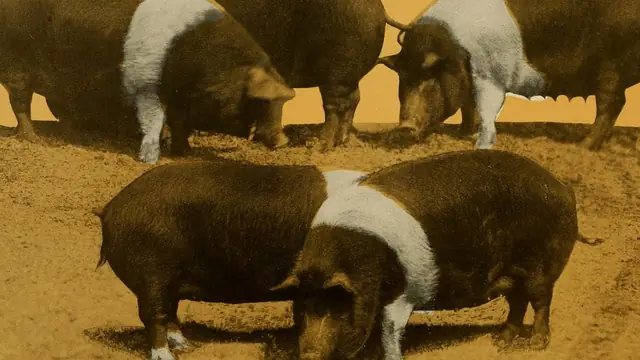
A 30-40 kg Duroc-sired lechon-size pig sells for ₱6,000-₱9,000 retail. A 30-40 kg Berkshire (Kurobuta) lechon-size pig sells for ₱12,000-₱18,000 retail, sometimes more depending on the buyer. The price gap looks like easy money. It is not.
Berkshire grows roughly 30% slower than Duroc, costs about 40% more to source, and produces a bit less meat per pig. The premium only works if you have buyers who will actually pay it. Below is the honest comparison: when Berkshire pencils out, when Duroc is the better call, and the math that separates a profitable premium-pork operation from an expensive hobby.
Free Tool
Break-Even Price Calculator
Plug Berkshire's longer cycle, higher feed cost, and premium sale price into the break-even calculator. The math is binary: a confirmed buyer at ₱350+/kg pays back, commodity prices do not.
At-a-Glance Comparison
| Trait | Berkshire (Kurobuta) | Duroc |
|---|---|---|
| Origin | Berkshire County, England | USA (NY/NJ) |
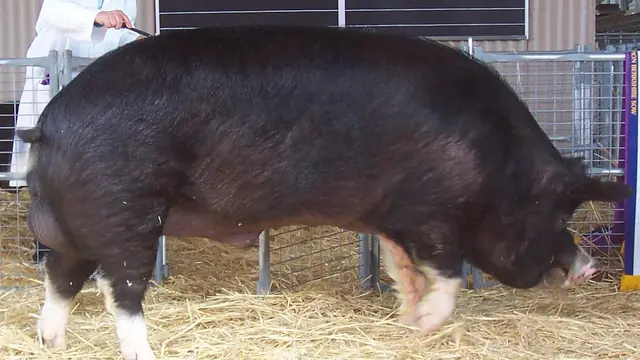
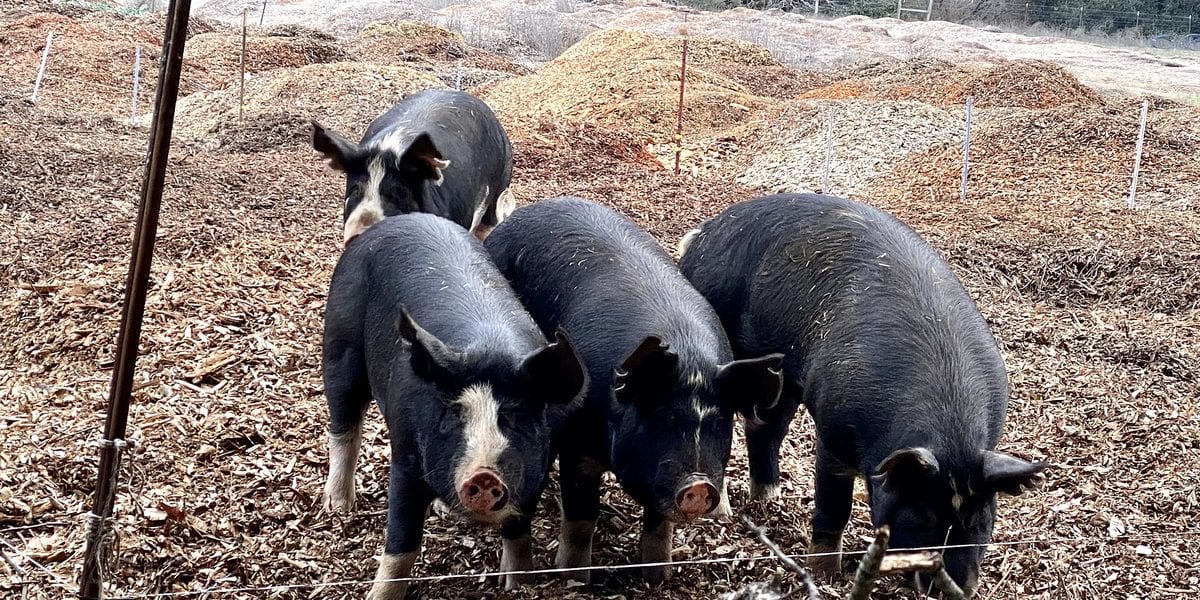
| Color | Black with 6 white points | Red/auburn |
| Ears | Erect | Slightly drooping |
| Days to 90 kg | 200-220 | 150-160 |
| Feed Conversion (FCR) | 3.2-3.6 | 2.7-3.1 |
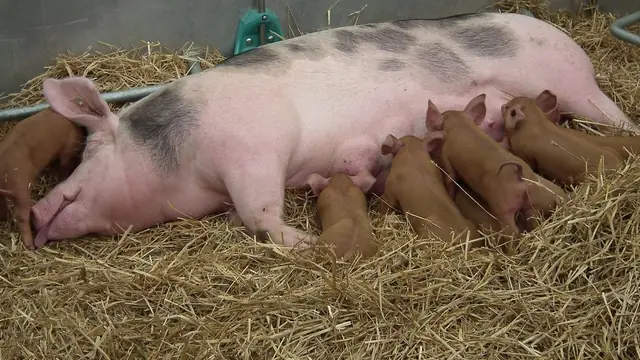
| Born Alive (avg) | 8-10 per litter | 9-12 per litter |
| Heat Tolerance | Moderate | Best of commercial breeds |
| Dressing Percentage | 70-75% | 73-77% |
| Backfat Thickness | 22-30 mm (heavy marbling) | 20-26 mm (marbled) |
| Intramuscular Fat | 4.5-6.5% (premium grade) | 3.0-4.5% |
| Meat Quality | Premium marbled, deep flavor | Marbled, flavorful |
| Best Market | Specialty restaurants, charcuterie | Lechon, wet market, restaurant |
| Weaner Price (2026) | ₱8,000-₱12,000 | ₱5,500-₱8,000 |
| Gilt Price (2026) | ₱25,000-₱40,000 | ₱18,000-₱25,000 |
| Boar Price (2026) | ₱45,000-₱80,000 | ₱35,000-₱60,000 |
| Direct-sale Price (₱/kg LW) | ₱350-₱600 (specialty) | ₱180-₱190 (commodity, May 2026) |
| Philippine Availability | Rare, specialty multipliers | Widely available |
The trade-off is clear: Berkshire produces premium meat at premium prices but with worse production economics. Duroc produces good meat at commodity prices with excellent production economics.
A note on the numbers. Published Berkshire figures (180-195 days to ~113 kg from US breeder data) and the Duroc FCR of 2.33 reported in controlled trials are research-station numbers. Real Philippine backyard pens run 30-40% below that on growth and 0.3-0.5 worse on FCR because of heat, mixed feed quality, and lighter management. The day-count and FCR ranges in the table already reflect realistic Philippine backyard performance, not the breeder brochure. Duroc remains the most heat-tolerant of the commercial breeds, which is exactly why roughly 8 in 10 commercial pigs slaughtered in the country are Duroc-sired.
Where Berkshire Wins
1. High-End Restaurant and Charcuterie Markets
In Metro Manila, Tagaytay, Cebu, and Boracay, a small but growing market exists for premium pork. Fine-dining kitchens, Japanese-style restaurants, and charcuterie makers source Berkshire (often marketed as Kurobuta) at premium prices for menu differentiation. The same demand is what keeps a local producer like Esguerra Kurobuta in Lipa, Batangas running a pure Berkshire herd for direct sale.
A direct-sale Berkshire arrangement with a single high-end buyer can clear ₱350-₱500 per kg liveweight, sometimes higher. That is 2-3x the commodity farmgate price for Duroc-sired commercial pigs. PSA had the national average at ₱191.51/kg liveweight in Q3 2025, and it has slid every quarter since: ₱176.03 for Q1 2026, ₱172.44 for Q2 2026, with SINAG putting the trade at ₱180-₱190/kg as of May 2026. The gap between commodity and specialty has actually widened, because commodity has fallen, not because specialty has risen.
Sit with the size of that specialty number for a second. PSA's monthly national retail average for fresh liempo, the dearest of the four cuts it prices, was under ₱350 a kilo in July 2026. A Berkshire raiser quoting ₱400/kg liveweight is asking more for a kilo of live pig than the palengke charges for the best cut off a dead one. That is not impossible, plenty of buyers pay it, but it only happens where a named buyer has already agreed to it in advance. Both series are in the archive with the retrieval date on every row: retail liempo and the quarterly farmgate mean.
2. Marbling and Eating Quality
Berkshire's intramuscular fat content (4.5-6.5%) is the highest of any commercial pig breed. This translates to:
- Better flavor and aroma
- Better moisture retention during cooking
- Better texture on the palate
- Superior performance in slow cooking, charcuterie, and Japanese-style preparations
For consumers and chefs who can tell the difference, the eating quality is genuinely better than Duroc.
3. Brand and Marketing Position
The "Kurobuta" name (Japanese for Berkshire pork) carries cachet in premium markets. Restaurants can charge restaurant-tier prices for Kurobuta dishes. Farms producing Berkshire can market under premium positioning rather than competing on commodity prices.
This brand advantage doesn't matter for commodity production, but it's a real competitive moat for farms supplying upscale buyers.
4. Heritage and Conservation Premium
Berkshire is a heritage breed with conservation programs in multiple countries. Some buyers (Slow Food enthusiasts, heritage breed conservancy supporters) specifically seek out Berkshire products. This is a niche but loyal market segment willing to pay premium prices.
Where Duroc Wins
1. Production Economics
Duroc is dramatically more efficient to raise:
- Grows to market weight 50-60 days faster than Berkshire
- Feed conversion ratio 0.4-0.6 points better (saves roughly ₱3,000-₱4,500 in feed per pig at ₱38/kg)
- Larger litters (9-12 born alive vs 8-10 for Berkshire) compound the per-sow productivity advantage
- Weaners cost 40-50% less to acquire
For commodity production, these economics are non-negotiable. Berkshire cannot compete on cost.
2. Standard Market Liquidity
Duroc-sired pigs sell to anyone, anywhere, anytime. Wet markets, traders, lechoneros, palengke vendors, processor contracts. All standard channels accept Duroc-sired commercial pigs. The supply chain is mature, prices are transparent, and you can sell on short notice.
Berkshire only sells to specialty buyers. If your one restaurant contract dries up, you have no fallback buyer at premium prices. You are then stuck selling Berkshire at commodity rates, which loses money.
3. Heat Tolerance
Duroc handles Philippine tropical conditions better than Berkshire. Duroc's thicker skin and American Southern origins make it the most heat-tolerant of the commercial breeds. Berkshire is moderately heat-tolerant, better than Large White but not as good as Duroc.
For backyard operations without active cooling, Duroc loses 15-20% less feed intake to heat stress than Berkshire during the hottest months.
4. Sourcing and Replacement
Duroc genetics are everywhere. Boars, gilts, semen, weaners, all readily available from multiple suppliers in Luzon, Visayas, and Mindanao. Replacement is fast and competitive.
Berkshire genetics are concentrated in a handful of specialty multipliers. Sourcing usually means a 3-6 month waiting list. Replacement is slow and expensive.
The Honest Berkshire Math
Let's run actual numbers for a 5-Berkshire batch vs a 5-Duroc batch, both raised for 90 kg target weight. Both are sold at ₱172.44/kg liveweight, PSA's official Q2 2026 national average. SINAG's May trade read was higher, ₱180-₱190/kg, with eFeedLink at ₱183-₱193; the tables below use the government's number rather than the trade's. The DA set a ₱210/kg minimum farmgate price in November 2025, and the national average has never once hit it. Only the Cordillera has, in April, May and June 2026. Do not budget around it.
5 Duroc fatteners:
| Item | Amount (PHP) |
|---|---|
| 5 weaners @ ₱6,500 | ₱32,500 |
| Feed (5 × 280 kg avg @ ₱38/kg) | ₱53,200 |
| Vaccines + vet | ₱3,000 |
| Utilities, misc | ₱1,500 |
| Total cost (5 pigs) | ₱90,200 |
| Sale: 5 × 90 kg × ₱172.44/kg | ₱77,598 |
| Net profit/loss | -₱12,602 |
| Cycle time | 5.5 months |
Read that again. The Duroc batch, the "safe" choice, does not clear a profit at today's farmgate. That is not a typo and it is not pessimism, it is the whole industry's problem: cost of production is around ₱180/kg (SINAG and NatFed both land there) and the average farm is selling at roughly its own cost. A 5-pig backyard batch buying weaners and bagged feed at retail sits a bit above that cost line, so it bleeds. You claw the loss back by cutting the weaner price, mixing your own feed, or hitting 90 kg faster. Not by hoping the price comes to you.
5 Berkshire fatteners (sold at commodity prices):
| Item | Amount (PHP) |
|---|---|
| 5 weaners @ ₱10,000 | ₱50,000 |
| Feed (5 × 360 kg avg @ ₱38/kg) | ₱68,400 |
| Vaccines + vet | ₱3,500 |
| Utilities, misc (longer cycle) | ₱2,500 |
| Total cost (5 pigs) | ₱124,400 |
| Sale: 5 × 90 kg × ₱172.44/kg | ₱77,598 |
| Net profit/loss | -₱46,802 |
| Cycle time | 7.5 months |
Selling Berkshire at commodity farmgate prices is a guaranteed ₱9,360 loss per pig. The math is unforgiving. Sus, that is real money to bleed on a niche bet.
5 Berkshire fatteners (sold direct to specialty buyer at ₱400/kg):
| Item | Amount (PHP) |
|---|---|
| Total cost (same as above) | ₱124,400 |
| Sale: 5 × 90 kg × ₱400/kg | ₱180,000 |
| Net profit | ₱55,600 |
| Cycle time | 7.5 months |
At ₱400/kg specialty pricing, Berkshire clears ₱55,600 on a 5-pig batch. Annualized, with cycles running slower: roughly 1.6 cycles per year at ₱55,600 is around ₱89,000 per year on a 5-pig Berkshire setup. The same 5 pens run as Duroc fatteners at 2 cycles per year lose about ₱25,200 at PSA's ₱172.44 farmgate.
So the honest framing in 2026 is not "Berkshire earns more than Duroc." It is that only the premium buyer earns anything at all. Your sale price does the work, not the breed. Lock the buyer in first, or Berkshire turns a small commodity loss into a large one. Pretty much every farmer who skips this step learns it the expensive way.
Setting Up Berkshire Production
If the premium-buyer math works for your situation, here's the realistic path to Berkshire production in the Philippines:
Step 1: Secure the Buyer First
This is non-negotiable. Identify the restaurant, charcuterie maker, or premium retailer who will buy your Berkshire output. Negotiate price (₱350+/kg liveweight), volume, and timing. Get something in writing, even an informal email exchange, confirming the arrangement.
Do NOT order Berkshire genetics before you have a buyer. The most common Berkshire failure in the Philippines is exactly this: stock arrives, no premium outlet, and the pigs get dumped at commodity rates.
Step 2: Source Genetics
Philippine Berkshire genetics are thin on the ground. Realistic options:
- A small number of specialty multipliers and heritage breeders, mostly clustered around Luzon and a few Visayas operations
- Pure-Berkshire producers selling stock or finishers direct, such as Esguerra Kurobuta in Lipa, Batangas
- Imported Berkshire semen for AI use, sourced through breeders with the equipment and training to handle frozen doses
- BAI-accredited multiplier farms with imported bloodlines, which you can cross-check against the BAI registry
Expect a 3-6 month waiting list for purebred breeding stock. Verify ASF-free status, request performance records, and inspect physically before purchase. The supplier names that float around farming groups change often, so confirm the herd exists before you wire any deposit.
Step 3: Adjusted Management
Berkshire requires:
- Longer feed cycles (plan for 7-8 months grow-out, not 5-5.5)
- Cooler housing if possible (sprinklers, fans, shade; Berkshire is moderately heat-tolerant but not as tropical-adapted as Duroc)
- Quality feed throughout (premium genetics deserve a premium ration; do not cheap out on B-MEG vs budget brands here)
- Stricter record-keeping (smaller litters mean each pig matters more)
Step 4: Direct-to-Consumer or Direct-to-Restaurant Sales
The premium-buyer math only works with direct sales. Never sell Berkshire through traders or palengke buyers. They pay commodity prices regardless of breed.
When Berkshire Doesn't Make Sense
Skip Berkshire if:
- You don't have a confirmed premium buyer (most common failure)
- Your market is wet market, traders, or commodity buyers
- You're a first-time pig farmer (start with Duroc, learn the cycle, then consider Berkshire)
- You can't commit to 7-8 month grow-out cycles
- You're in a region without specialty restaurant or processor demand
- You can't pay 40-50% more for breeding stock and accept lower productivity
For 95%+ of Filipino backyard farmers, Duroc is the right choice. Berkshire is a specialty play for a small but profitable niche.
A Crossbreeding Compromise: Berkshire x Duroc
Some Philippine farmers compromise by using Berkshire boars on Duroc or commercial sows. This produces:
- Berkshire heritage influence (marbling, flavor)
- Better growth rate than pure Berkshire (closer to Duroc economics)
- Hybrid vigor
- Lower per-pig cost than pure Berkshire
Berkshire x Duroc piglets can be marketed as "Berkshire cross" or "heritage cross" pork at a moderate premium (₱230-₱290/kg vs ₱172.44 at commodity farmgate). The premium is smaller than pure Berkshire but the cost structure sits much closer to commercial Duroc.
It is a sensible middle path for breeders who want a heritage story without the full pure-Berkshire cost and sourcing headache. Just be honest with buyers about what "cross" means, because the marbling sits between the two parents, not at pure-Kurobuta level.
Bisaya / Cebuano
Para sa mga mag-uuma
Berkshire ba o Duroc?
Dili kini pareho nga merkado. Magpili lang og Berkshire kung naa kay confirmed nga premium buyer (restaurant, charcuterie maker, o specialty retailer).
Ang math sa 5 ka baboy:
Ang opisyal nga farmgate (PSA, Q2 2026) ₱172.44/kg lang, dili ₱210. Ang ₱210 nga "minimum farmgate price" sa DA wala pa gyud maabot sa national average, ug gawas sa Cordillera walay rehiyon nga nakadawat niini. Ayaw kini ilakip sa imong budget.
5 Duroc nga fattener:
- Gasto: ₱90,200
- Baligya: ₱77,598 sa ₱172.44/kg
- Pagkapildi: -₱12,602 sa 5.5 ka bulan
5 Berkshire nga fattener (ibaligya sa wet-market):
- Gasto: ₱124,400 (mas dako kay mas mahal ang weaner ug mas dugay ang cycle)
- Baligya: ₱77,598 sa commodity price
- Pagkapildi: -₱46,802
5 Berkshire nga fattener (ibaligya sa specialty restaurant sa ₱400/kg):
- Gasto: ₱124,400
- Baligya: ₱180,000
- Profit: ₱55,600 sa 7.5 ka bulan
Klaro: Berkshire kinahanglan og premium buyer. Sa commodity price, mawad-an ka og daghang kwarta. Ug tan-awa, bisan ang Duroc mapildi sa ₱172.44/kg kung magpalit ka og weaner ug sako nga feed sa retail. Ang cost of production sa tibuok industriya mga ₱180/kg, mao nga hagip-ot gyud ang commodity karon. Ang presyo sa imong baligyaan mao ang magtimbang, dili ang breed.
Kanus-a maayo ang Berkshire:
- Naa kay confirmed nga restaurant o charcuterie buyer nga magbayad ₱350+/kg
- Naa kay 7-8 ka bulan nga grow-out capacity
- Andam kang mobayad og ₱25,000-₱40,000 kada gilt (kaysa ₱18,000-₱25,000 sa Duroc)
- Naa kay premium positioning sa market
Kanus-a DILI maayo ang Berkshire:
- Walay confirmed premium buyer (pinakaimportante)
- Wet-market o trader ra ang inyong baligyaan
- First-time pig farmer ka
- Dili kaya 7-8 ka bulan nga grow-out cycle
- Wala sa lugar nga naa restaurant o specialty market
Para sa 95% sa Filipino backyard farmers, Duroc gyud. Ang Berkshire para sa specialty niche lang.
Compromise nga maayo:
Berkshire boar × Duroc sow = "Berkshire cross" o "heritage cross" pork. Maka-claim ka og moderate premium (₱230-₱290/kg) nga dili na kaayo komplikado. Maayo ni nga middle path kung gusto nimo og heritage story nga dili sobra ka mahal pasugdan.
Related Reading
- Berkshire (Kurobuta) Breed Guide: full breed page with sourcing details
- Duroc Breed Guide: full breed page for the commercial standard
- Native vs Commercial Pig Systems: heritage market positioning
- Best Pig Breeds Philippines for Small Farmers: full breed comparison guide
- Sow vs Fattener Profit Math: when to invest in breeding stock at premium tier
- Break-Even Calculator: model Berkshire economics at your specific buyer price
Sources
- Philippine Statistics Authority, Average Farmgate Price of Hogs for Slaughter, Q3 2025 (PSA report title): national average ₱191.51/kg liveweight
- Department of Agriculture / Philippine News Agency, DA, stakeholders set ₱210/kg minimum farmgate price for pork (Nov 2025): an unenforced target, not a guaranteed floor. No month of the PSA national series has reached it; the Cordillera cleared it in April, May and June 2026, and nowhere else has since late 2025.
- SINAG and eFeedLink trade quotes, May 2026: industry farmgate average ₱180-₱190/kg liveweight, cost of production about ₱180/kg
- Bureau of Animal Industry accredited multiplier and breeder farm registry: verify Berkshire bloodline claims against the BAI registry
- Berkshire pig breed characteristics, Kurobuta marbling and litter size (Wikipedia summary of breed-association data)
- Frontiers in Veterinary Science, Genetic evaluation for production and body-size traits in purebred Duroc pigs: Duroc FCR and age-at-market data
- Esguerra Kurobuta, Lipa, Batangas: a Philippine pure-Berkshire (Kurobuta) direct producer
Performance figures in the comparison table are adjusted down from research-station data to reflect realistic Philippine backyard conditions. Peso figures use a July 2026 baseline (crossbreed weaner ~₱3,500, premium grower/finisher feed ₱34.90-38.20/kg, farmgate ₱172.44/kg liveweight, PSA Q2 2026).