"Pwede ba gyud mag-atiman og baboy sa gamay nga bakuran?" (Can you really raise pigs in a small yard?)
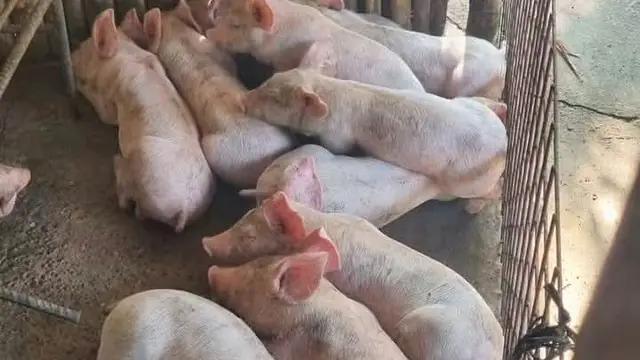
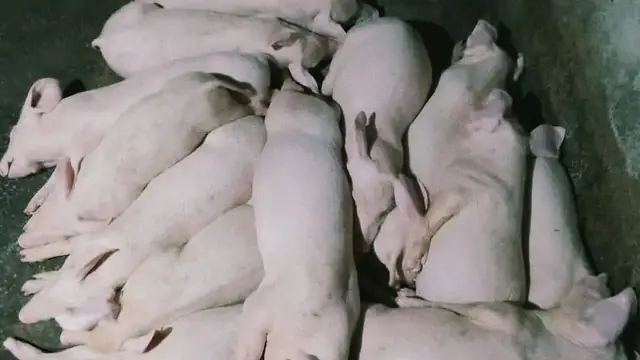
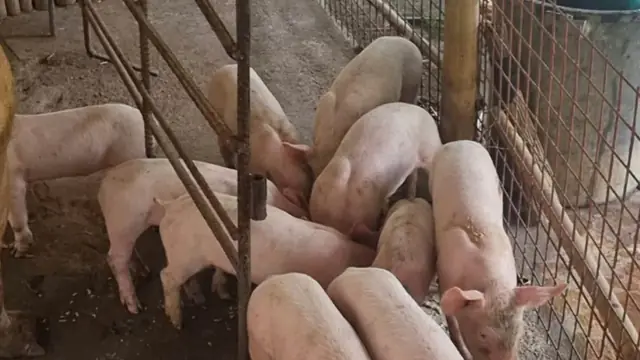
Yes, you can raise 1-5 fattening pigs in 10-15 sq.m of backyard space. A finisher (60-100 kg) needs 0.8-1.0 sq.m of pen plus drainage and a feeding area. The real limits are not space, they are LGU rules (typically 25-50 m from the nearest house in rural areas), waste management, and how your neighbors feel about the smell.
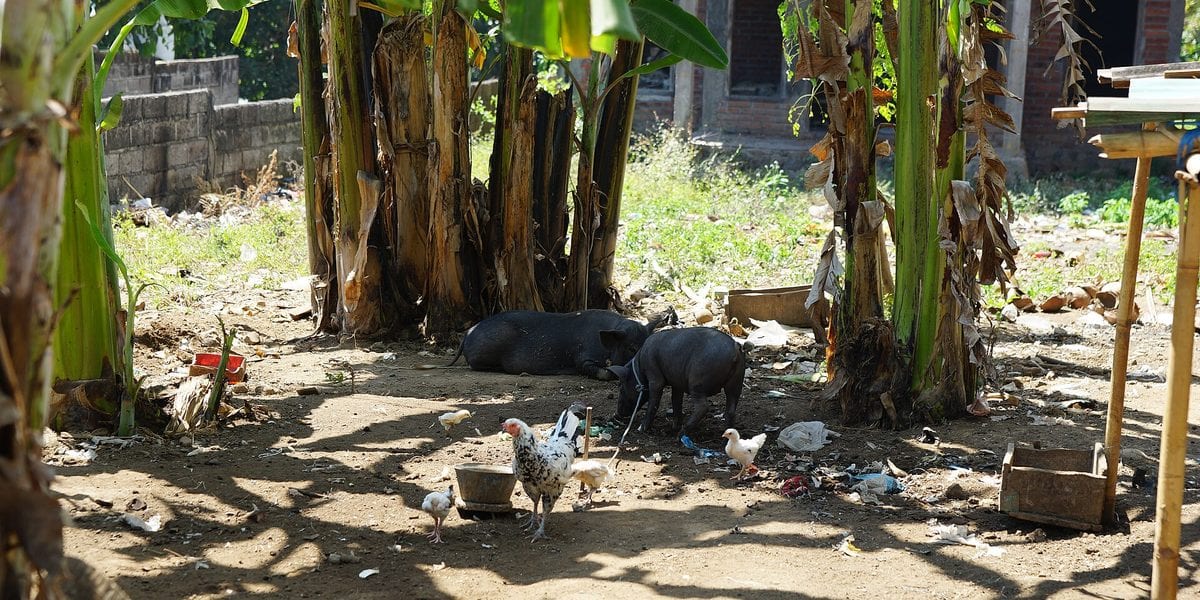
You would also be in the majority, which is worth saying because most pig-farming advice is written for the other kind of farm. PSA counts the national herd by farm type every quarter. Its smallhold classification held just over 7 million head on 1 July 2026, against about 1.7 million on commercial farms. Close to four fifths of the pigs in this country are raised roughly the way you are about to raise yours.
"Sa probinsya, basta maayo ang silingan, walay problema sa tangkal sa baboy." (In the province, as long as neighbor relations are good, there is no problem with the pigpen.)
Free Tool
Pig Setup Planner
A small backyard fits a few models — a 5-pig fattener trial, a native niche herd, or a 3-sow F2F. 8 questions and the planner picks the one sized to your capital, time, and market.
What the Law Says
There is no single national law governing backyard piggery distances or sizes. Regulations are set at the city or municipal level through local ordinances, and they vary significantly.
Common patterns across Philippine LGUs:
| Requirement | Typical Range |
|---|---|
| Distance from nearest dwelling | 25–50 m (rural), 50–100 m (urban) |
| Distance from water sources | 25+ meters from wells and rivers |
| Maximum heads without commercial permit | 3–10 heads (varies widely) |
| Barangay clearance | Usually required |
| Sanitary permit | Required in most municipalities |
Some Metro Manila cities and highly urbanized areas ban piggeries entirely. Rural barangays are generally relaxed, many have no specific ordinance, and social norms govern behavior.
Before you build anything: Visit your Municipal Agriculturist Office (MAO) and Barangay Hall. Ask specifically about livestock-related ordinances. Getting this wrong can result in forced demolition and fines.
Space Requirements
The DA-BAI Good Animal Husbandry Practices (GAHP) guidelines recommend minimum floor space per pig. ThePigSite's housing and management section provides similar space recommendations based on international welfare standards:
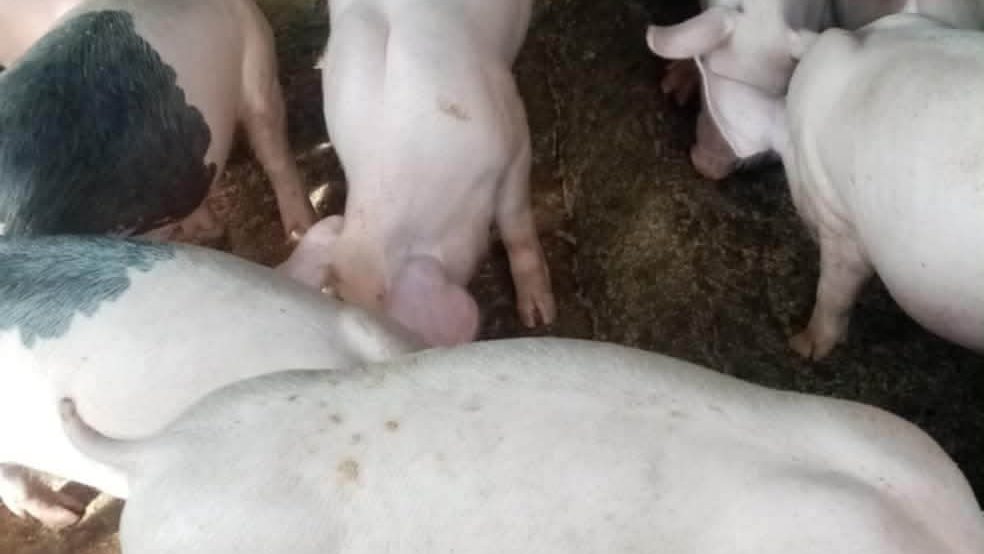
| Category | Space per Head |
|---|---|
| Weaner piglets | 0.3–0.5 sq.m |
| Growers (20–60 kg) | 0.6–0.8 sq.m |
| Finishers (60–100 kg) | 0.8–1.0 sq.m |
| Sow with farrowing area | 3.5–5.0 sq.m |
| Boar | 5.0–7.0 sq.m |
So for 5 fattening pigs, you need approximately 4–5 sq.m of pen space, that is roughly 2m × 2.5m. Add a feeding area and drainage, and a total footprint of about 10–15 sq.m is practical for a small backyard fattening operation.
Free Tool
Pen Space Calculator
Punch in your pig count and target market weight to get the minimum pen footprint, plus the headroom you need before crowding starts costing you growth and disease losses.
The Real Challenge: Waste and Smell
The #1 reason neighbors complain about backyard piggeries is smell. A single 80 kg pig produces roughly 5–6 kg of manure daily. Five pigs produce 25–30 kg. If waste is not managed, the odor becomes unbearable within days.
Practical solutions:
- Clean pens daily. Remove solid waste every morning. This alone reduces smell by 70–80%.
- Proper drainage. Liquid waste should flow to a settling tank or composting area, never toward your neighbor's property or any waterway.
- Composting or vermicomposting. Turn manure into fertilizer you can use or sell. This converts a waste problem into income. See our guide on pig manure composting in the Philippines for step-by-step methods.
- Effective Microorganisms (EM) spray. Mix EM solution and spray on manure areas. Reduces odor significantly. Available at agricultural supply stores.
- Carbonized rice hull (CRH) bedding. Absorbs moisture and reduces smell. Cheap and widely available.
- Plant trees or hedges as a windbreak between your piggery and neighbors.
Permits You Likely Need
For a small backyard operation (1–10 heads):
- Barangay clearance from your Barangay Hall
- Registration with the Municipal Agriculture Office usually free
- Sanitary permit from the Municipal Health Office (some LGUs)
For larger operations (10+ heads), you may also need a full business permit, zoning clearance, and environmental compliance certificate from DENR-EMB.
Registration benefits: access to subsidized vaccines (hog cholera), eligibility for DA livelihood grants, PCIC livestock insurance, free veterinary consultations, and ASF compensation programs.
Keeping the Peace with Neighbors
Legal compliance is necessary but not sufficient. Even farmers who meet every ordinance requirement face complaints if neighbors are unhappy. A few things that help:
- Inform your immediate neighbors before you start. A brief conversation goes a long way.
- Position the pen as far from their house as your yard allows.
- Manage waste aggressively. Daily cleaning is non-negotiable.
- Feed on a regular schedule. Hungry pigs squeal loudly, neighbors notice.
- Offer something. Some farmers share compost or lechon during fiestas. Goodwill prevents complaints.
Bisaya / Cebuano
Para sa mga mag-uuma
Pwede ba mag-atiman og baboy sa gamay nga bakuran?
Oo, sa kadaghanan nga probinsya, 1–5 ka baboy pwede ra sa backyard. Pero kinahanglan:
- Pangutan-a ang Barangay ug MAO check sa ordinansa sa inyong lugar
- Sakto ang espasyo mga 1 sq.m kada baboy nga nagtubo (grower/finisher)
- Limpyohi ang tangkal kada adlaw ang baho mao ang #1 nga reklamo sa silingan
- Maayo nga drainage ang hugaw dili dapat mopaingon sa silingan o sa sapa
Ang labing importante: estoryahi ang silingan bago magsugod. Kung maayo ang relasyon, daghan ang masulbad.
Learn More
- How to build a backyard piggery, construction guide with pen dimensions
- Best flooring for pig pens, concrete vs earth vs slatted floors
- Odorless pig pen — KNF deep litter, the litter system that kills the smell-complaint problem
- Piggery permits + LGU regulations, exactly which clearances apply at backyard scale
- Pig water systems, nipple drinker vs bowl drinker setup for small herds
- Cost to raise a pig in the Philippines, full economics
- Pen Space Calculator. Check if your space is enough
Sources: DA Administrative Order No. 07 s. 2021 (Good Animal Husbandry Practices for Swine), DA-BAI livestock registration guidelines, HLURB Board Resolution R-674 s. 2000 (piggery design standards), various municipal ordinances, Philippine Code of Sanitation (PD 856).